
When a wound won’t heal, it’s time to get help
One of the biggest misconceptions about wound care is that time alone will fix the problem. Sometimes it does. Yet sometimes a wound is not improving because something more serious is getting in the way.
At Bothwell Wound Healing Center, I help oversee care for patients whose wounds are not healing as expected. In many cases, the issue is not just the wound itself. It may be a health condition like diabetes, poor circulation, swelling, pressure or infection. Our role is to identify what is causing the delay and create a plan that gives the wound the best chance to heal.
Wound care involves more than applying a bandage and hoping for improvement. Each patient receives care based on their specific needs. That may include special dressings, removing damaged tissue, reducing pressure, controlling swelling, checking blood flow, treating infection and, in some cases, hyperbaric oxygen therapy.
We care for many kinds of wounds, including diabetic ulcers, pressure injuries, venous ulcers, surgical wounds, burns and other chronic wounds. While these wounds look different, the goal is the same: understand why healing has stalled and address the cause as early as possible.
One of the most common problems we see is diabetic wounds on the feet and lower legs. Around 2.7 million people in the United States are living with a diabetic foot ulcer, and one in four people with diabetes will develop one during their lifetime. These wounds can become serious quickly because diabetes can reduce feeling in the feet. A person may not realize how much pressure or damage is happening. A wound on the bottom of the foot can be small, yet every step can slow healing. That is why taking pressure off the wound is so important. Treatment options we use include total contact casting, a toe-off shoe or other methods to reduce pressure and protect the foot while it heals.
We also treat many patients with venous insufficiency, which happens when the veins in the legs are not moving blood the way they should. Fluid builds up, swelling increases and the skin becomes more fragile. Over time, wounds can develop. We use compression wraps and other therapies to control swelling, support healing and help patients manage the problem over the long term.
Poor blood flow is another common reason wounds fail to heal. If blood cannot reach the feet or legs the way it should, healing becomes much harder. We can perform simple non-invasive testing in the clinic and help coordinate additional care when needed.
For some patients, hyperbaric oxygen therapy, which surrounds patients with 100 percent oxygen to promote wound healing, is an important part of treatment. We have two hyperbaric oxygen chambers and can treat up to six patients a day. This therapy may be used for certain diabetic wounds, radiation injuries, chronic bone infection and other serious wound-related conditions.
The most important message I want readers to take away is this: if a wound is not healing, do not wait too long to get it checked. Chronic wounds usually need more than time. They need the right diagnosis, the right treatment plan and the right support. That is what our team is here to provide.
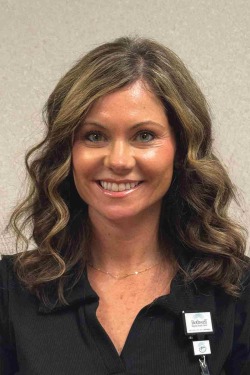
Christy Goalder is the clinical program director of Bothwell Wound Healing Center. Since 2015, the center has earned annual recognition from Healogics for clinical excellence, including the President’s Circle award, the highest honor, in 2023 and 2025. In most cases, patients do not need a referral, though some insurance plans may require one. The center’s providers include Dr. Trevor Beckham, Dr. Jeff Wadley, Dr. Stuart Braverman and Nurse Practitioner Gail Meyer. For more information or to schedule an appointment, call 660.827.2525.